
"Selling Sara": The Role of Patience and the Understanding of evolving Market Trends in a Successful VW Antique Car Restoration and Sale
Restoring an antique car is a passionate endeavor that demands expertise, commitment, and a well-defined strategy. While many enthusiasts think that adhering to proper restoration methods and implementing a comprehensive marketing plan will swiftly draw in potential buyers, the truth is more intricate. Without patience and an understanding of changing market trends, even the most carefully restored classic car might have difficulty finding the right buyer.
Despite glowing feedback when presented at car shows, a bus like "Sara" may have a difficult time finding an educated buyer who sees the value in cost investments, and the completion time required to complete and show herat a high standard.
This post explores why patience and market awareness, and a bit of psychologocal understanding, are just as important as craftsmanship and promotion in the world of antiqueVW car restoration and sales.

"Sara the Surf Camper": Finding an owner who appreciates craftsmanship.
Why Correct Restoration Protocols Are Only Part of the Equation
Restoration protocols ensure that an antique car is returned to its original glory or improved to a high restoration standard. This involves:
Using authentic parts where possible, or high-quality reproductions that stand the tests of wear and tear.
Following manufacturer specifications if available.
Applying period-correct paint and finishes or popular current color schemes.
* Recording each step to establish and prove construction value.
These considerations increase the car’s value and appeal to collectors who seek authenticity. However, even a perfectly or "well" restored car does not guarantee a quick sale. The collector’s market is niche and highly selective. Buyers often look for specific models, years, or features that match their personal interests or investment goals.
Additional challenges that both the seller and buyer must navigate include state regulations concerning emissions and inspections, the vehicle's location in relation to the buyer, and the mere chance that the buyer encounters the listing among the vast array of advertising media available for exploration and discovery.
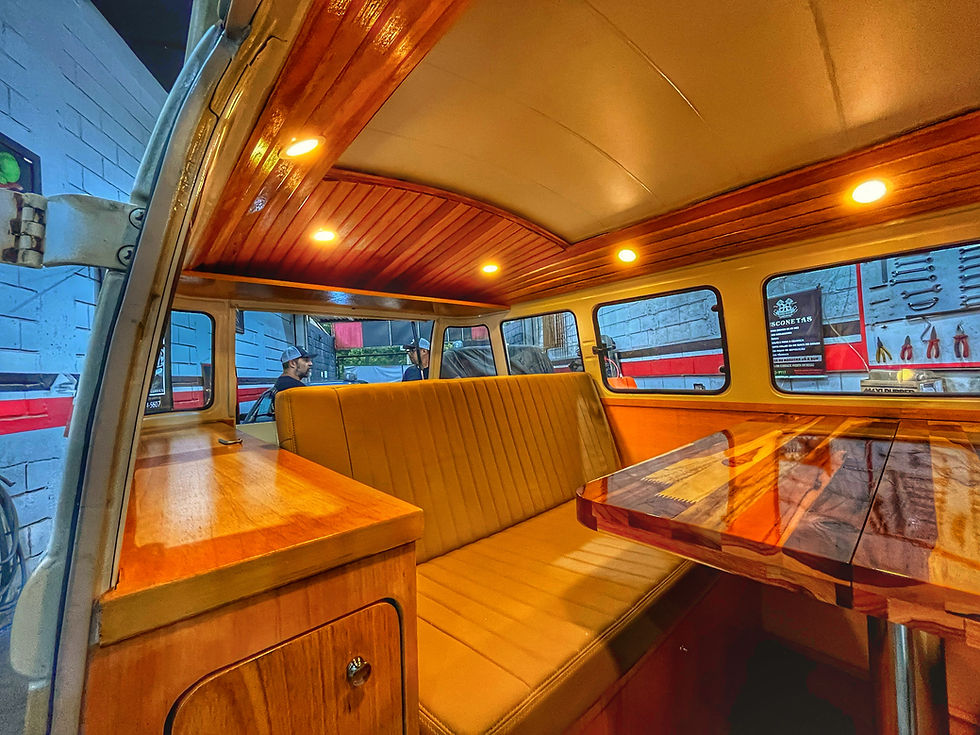
Interior detailing that exceeds the standard can limit the seller to a niche market of those he appreciate the value of modernization and artistic license.
The Importance of Patience in Antique Car Sales
Selling an antique car is rarely a quick process. Unlike modern vehicles, classic cars appeal to a smaller, more specialized group of buyers. Patience allows sellers to:
Waiting for the right buyer who values the car’s unique qualities
Avoid the temptation of lowering prices prematurely due to impatience
Build relationships with collectors and enthusiasts over time
Take advantage of seasonal or market timing when demand peaks
For instance, some classic cars gain value during certain events like auctions, car shows, or anniversaries of the model’s release. Sellers who rush to sell immediately after restoration may miss these opportunities and the greater exposure to really brand interested buyers.
Patience is a crucial virtue in the realm of sales, particularly for sellers who must navigate the often unpredictable landscape of buyer preferences and market dynamics. When sellers exhibit patience, they are better equipped to observe and analyze buyer feedback, allowing them to make informed adjustments to their sales strategies. This adaptability is essential, as the market is continually evolving, influenced by factors such as consumer trends, economic conditions, and competitive offerings. This could involve creating engaging online advertisements that highlight the car's unique selling points, or perhaps utilizing social media platforms to reach a broader audience. Additionally, incorporating high-quality visuals and compelling narratives about the car's history, performance, and features can significantly enhance its appeal.
Moreover, patience allows sellers to experiment with different pricing strategies or promotions that could incentivize buyers. In conclusion, patience not only empowers sellers to refine their approach based on real-time feedback and shifting market conditions but also fosters a deeper understanding of their customers' needs and desires, ultimately leading to more successful sales outcomes.

From her origins as a school bus, through the evolution to showroom "beauty queen", documentation of Sara is important to show transition from the "old" to the " new" her.
Understanding and Adapting to Market Trends
The antique car market is quircky amd dynamic. Trends shift based on factors such as:
Popularity and cultural interest in certain eras or models
Economic conditions affecting discretionary spending, the 'economy"
Emerging collector interests, such as electric conversions or unrestored “barn finds”
Regional preferences and availability. Cars representing an era of counter-culture or status reflect individual identity and tasteand represent a lifestyle.
Keeping up with these trends requires ongoing research and networking.
Sellers can benefit from:
Attending classic car auctions and shows to observe buyer behavior
Joining collector clubs and online forums for insights
Monitoring sales data and price guides
Consulting with appraisers and restoration experts
In recent years, interest in "muscle cars" from the late 1960s and early 1970s has grown, resulting in higher prices and demand. People who are now at an age where they can afford these cars, which were popular during their youth, are forming a new wave of enthusiasts eager to realize their dreams of owning a classic vehicle that ignites nostalgia.
Aligning restoration and marketing strategies with these trends enhances the likelihood of a successful sale. This could involve focusing on originality for specific buyers or showcasing upgrades and reliability for others. Each has their own requirements.
Aligning to meet them can be a challenge.
Combining Restoration, Marketing,
Patience, and Market Awareness
A successful antique car sale blends several elements:
Quality restoration that respects the car’s history and condition
Targeted marketing that reaches the right audience through specialized channels
Patience to wait for the ideal buyer and market conditions
Market awareness to adapt to changing trends and buyer preferences

Quality photos develop interest but not necessarily sales...
For example, a restorer might complete a high-quality restoration on a 1950s Jaguar, then promote it through classic car magazines, online collector forums, and local car clubs. They might hold off on selling until a major vintage car event attracts serious buyers. During this time, they stay informed about pricing trends and buyer interests, adjusting their pitch accordingly.
This strategy frequently results in improved offers and a more seamless transaction, as opposed to hastily selling right after restoration or employing standard marketing techniques.

Surf Detailing may not be for everyone....
appealing to a specific culture may exclude you from others...
Concluding Thoughts on Achieving Success in Antique Car Restoration and Sales
Restoring an antique car is merely the initial phase in a journey that demands patience and market knowledge to achieve a successful sale. Folks are fickle.
Successfully closing a deal involves a grasp of human psychology, alongside some luck and timing. Although effective restoration methods and comprehensive marketing strategies are crucial, they don't ensure success by themselves.
The classic car market is specialized and constantly evolving, necessitating that sellers stay informed and flexible.
Influencing without applying pressure demands sales skills that must be developed.
When restoring or selling an antique car, it's important to enhance your understanding of current trends and be patient until you find the right buyer. Knowing your audience, selling to them, relies on gained experience and "putting yourself in their shoes" and communicating a story that's both familiar and engaging for them.
This strategy will lead to you getting the most out of your investment and passion, and sharing your enthusiasm for your product with the right buyer who appreciates it.

Commenti